
- Hubungi Kami : +86-15060765919
- Kirimkan Email ke Kami : bella@fespower.cn
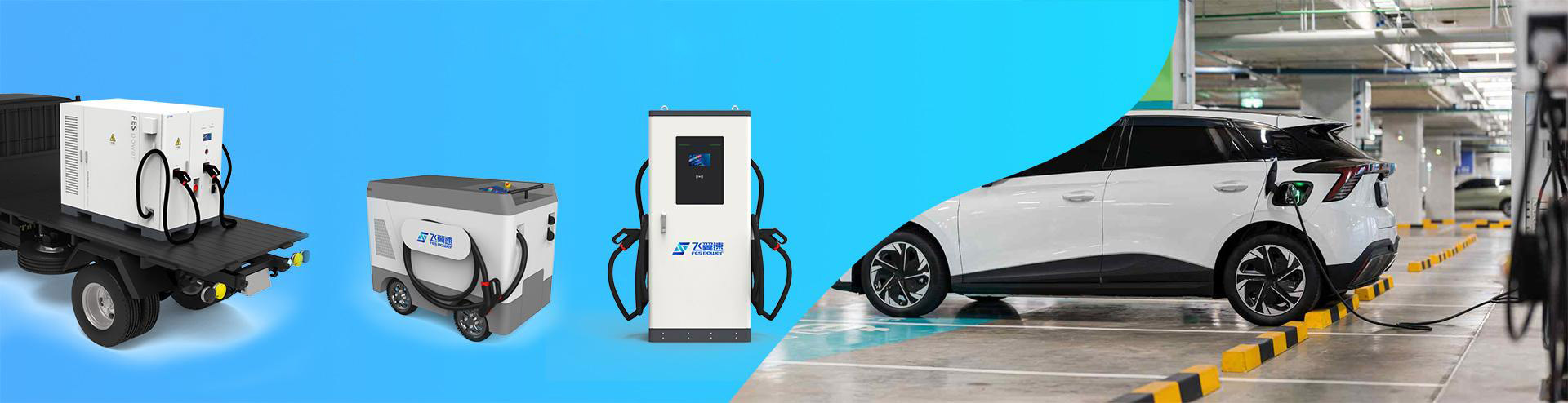
Seiring dengan terus berkembangnya kendaraan listrik (EV) di seluruh dunia, pengisian daya EV bukan lagi sekadar infrastruktur—tetapi telah menjadi peluang bisnis yang dapat dikembangkan. Namun, bagaimana operator pengisian daya EV benar-benar menghasilkan uang? 🤔 Model bisnis apa yang paling populer di pasar saat ini? Dan model mana yang menawarkan pengembalian investasi terbaik?
Panduan ini menguraikan model bisnis pengisian daya kendaraan listrik (EV) yang paling umum, menjelaskan cara kerjanya, dan menyoroti di mana letak profitabilitas sebenarnya—khususnya untuk operator komersial dan armada.
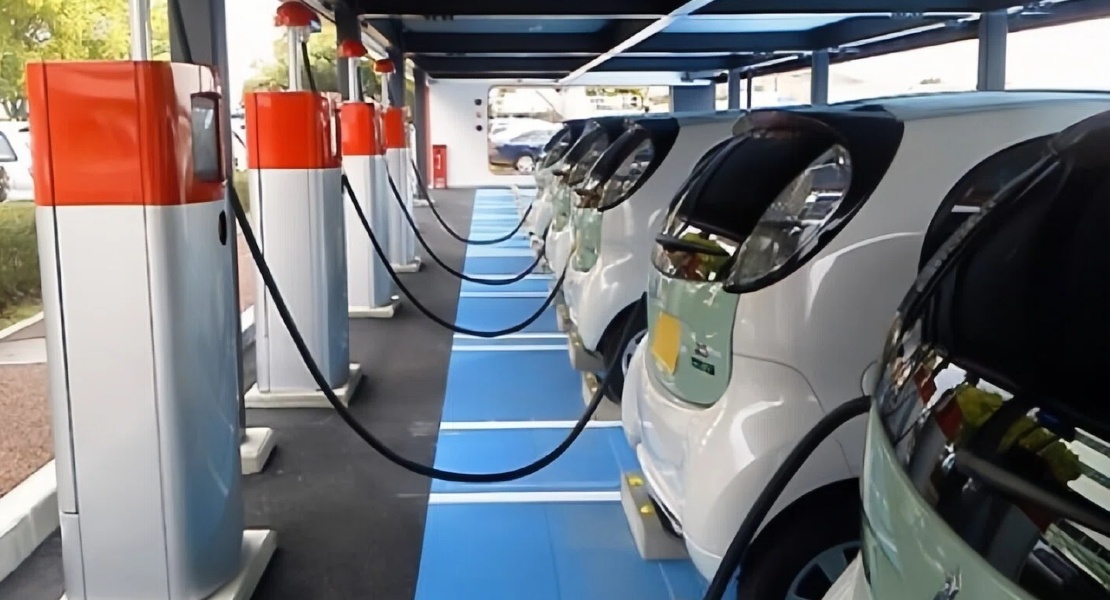
🔌Apa Saja Model Bisnis Pengisian Daya Kendaraan Listrik Utama Saat Ini?
Ekosistem pengisian daya kendaraan listrik biasanya beroperasi di bawah beberapa model bisnis inti, yang masing-masing dirancang untuk lokasi, tingkat investasi, dan segmen pelanggan yang berbeda:
Setiap model memiliki struktur biaya, aliran pendapatan, dan potensi skalabilitas yang unik.
💳Bagaimana Sistem Pembayaran Per Penggunaan Menghasilkan Pendapatan?
Ini adalah model pengisian daya publik yang paling banyak digunakanOperator memasang pengisi daya di lokasi dengan lalu lintas tinggi seperti pusat perbelanjaan, jalan raya, dan tempat parkir, dan mengenakan biaya kepada pengemudi berdasarkan:
Energi yang dikonsumsi (harga kWh)
Waktu pengisian daya (harga per menit)
Harga berdasarkan sesi
Keuntungan:
✅ Mudah diskalakan
✅ Pendapatan per sesi yang dapat diprediksi
✅ Cocok untuk area perkotaan dan komersial
Tantangan:
⚠️Biaya pemasangan tinggi
⚠️ Tergantung pada volume lalu lintas
📱Bagaimana Cara Kerja Model Penagihan Berbasis Langganan?
Beberapa operator menawarkan keanggotaan bulanan paket yang menawarkan tarif pengisian daya dengan diskon atau pengisian daya tanpa batas.
Populer di kalangan:
Manfaat:
✅ Pendapatan berulang yang stabil
✅ Loyalitas pelanggan yang kuat
✅ Perkiraan permintaan yang lebih baik
Model ini semakin populer di perkotaan padat pasar kendaraan listrik di mana pengisian daya secara berkala adalah hal biasa.
🏢Apa Itu Model Bagi Hasil dengan Penyedia Hosting Situs?
Dalam model ini, Pemilik properti bermitra dengan operator pengisian daya. Operator memasang dan mengelola pengisi daya, sementara tuan rumah menyediakan ruang dan berbagi pendapatan.
Situs hosting umum meliputi:
Mengapa ini berhasil:
✅ Investasi awal lebih rendah
✅ Ekspansi pasar yang lebih cepat
✅ Penyelenggara acara mendapat manfaat dari peningkatan jumlah pengunjung
Ini adalah salah satu Model dengan pertumbuhan tercepat di tahun 2025–2026.
🚚Mengapa Penagihan Armada & Depo Menjadi Sangat Menguntungkan? ⚡
Pengisian daya armada berfokus pada perusahaan logistik, armada pengiriman, kendaraan perusahaan, dan platform transportasi daring.
Faktor-faktor pendorong pendapatan meliputi:
Keunggulan utama:
✅ Permintaan yang dapat diprediksi
✅ Pengembalian Investasi (ROI) Lebih Cepat
✅ Skalabilitas yang kuat
Pengisian daya armada diperkirakan akan menjadi salah satu segmen pengisian daya kendaraan listrik yang paling menguntungkan dalam beberapa tahun mendatang. 📈.
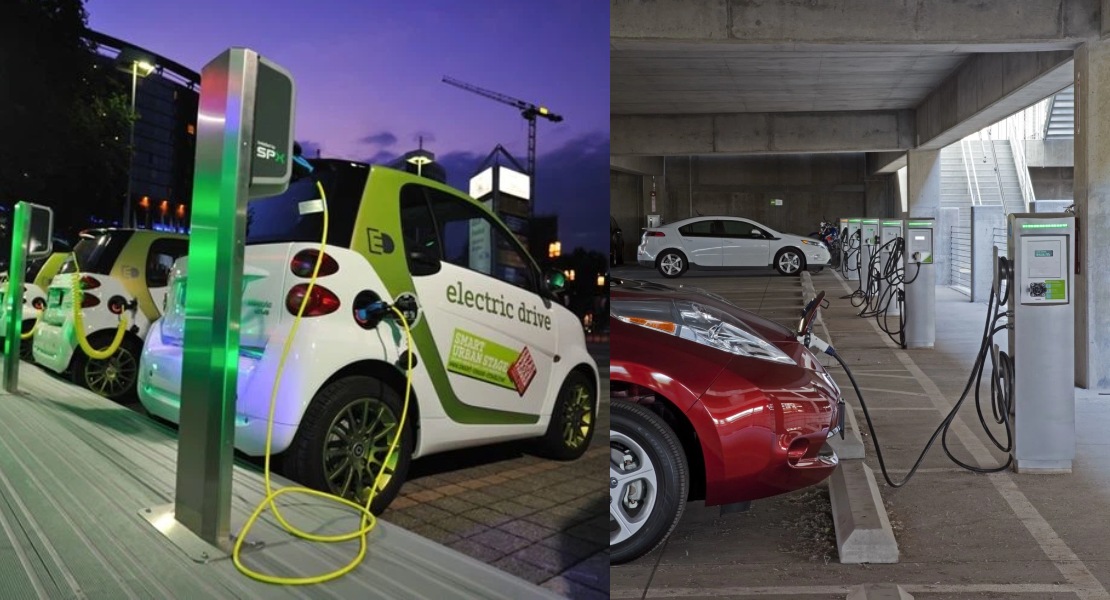
🚐🔋Bagaimana Pengisian Daya EV Seluler Menciptakan Peluang Bisnis Baru?
Pengisian daya EV mobile adalah model baru yang dirancang untuk kebutuhan pengisian daya sementara, darurat, dan fleksibel.
Contoh kasus penggunaan meliputi:
Mengapa pertumbuhannya begitu pesat:
✅ Tidak memerlukan instalasi tetap
✅ Penyebaran cepat
✅ Ideal untuk kota-kota dengan infrastruktur terbatas
🚀 FES PowerSolusi pengisian daya EV mobile dari mendukung penyebaran cepat, penyimpanan baterai terintegrasi, dan output yang fleksibel—sehingga ideal untuk pengisian daya cadangan di perkotaan, acara komersial, dan skenario penyelamatan darurat.
🔋⚡Bagaimana Penyimpanan Baterai Meningkatkan Keuntungan Pengisian Daya?
Pengisian daya terintegrasi dengan penyimpanan energi memungkinkan operator untuk menyimpan listrik berbiaya rendah dan mengurangi permintaan puncak jaringan listrik.
Manfaat bisnis meliputi:
✅ Biaya listrik lebih rendah
✅ Mengurangi biaya peningkatan jaringan listrik
✅ Pengurangan beban puncak & penghematan biaya permintaan
✅ Kemampuan untuk beroperasi di area dengan jaringan listrik lemah
🌱 Pengisian daya EV terintegrasi baterai dari FES Power Sistem ini menggabungkan manajemen energi cerdas dengan pengisian daya efisiensi tinggi, membantu operator mengoptimalkan biaya operasional dan memaksimalkan ROI jangka panjang.
📊 Model pengisian daya armada + penyimpanan energi saat ini dipandang sebagai peluang ROI (Return on Investment) terbaik di tahun 2026.
Bagaimana Operator Baru Dapat Memilih Model Bisnis yang Tepat? 🤝
Sebelum meluncurkan bisnis pengisian daya kendaraan listrik, operator harus mengevaluasi:
Jenis pelanggan sasaran
Lalu lintas dan permintaan situs
Kapasitas jaringan dan ketersediaan daya
Anggaran investasi
Tujuan ekspansi jangka panjang
⚡ FES Power menyediakan solusi pengisian daya kendaraan listrik yang dapat diskalakan, termasuk Pengisi daya AC, pengisi daya cepat DC, unit pengisian daya ponsel, dan sistem penyimpanan energi baterai, membantu mitra membangun model bisnis yang fleksibel dan tahan masa depan.
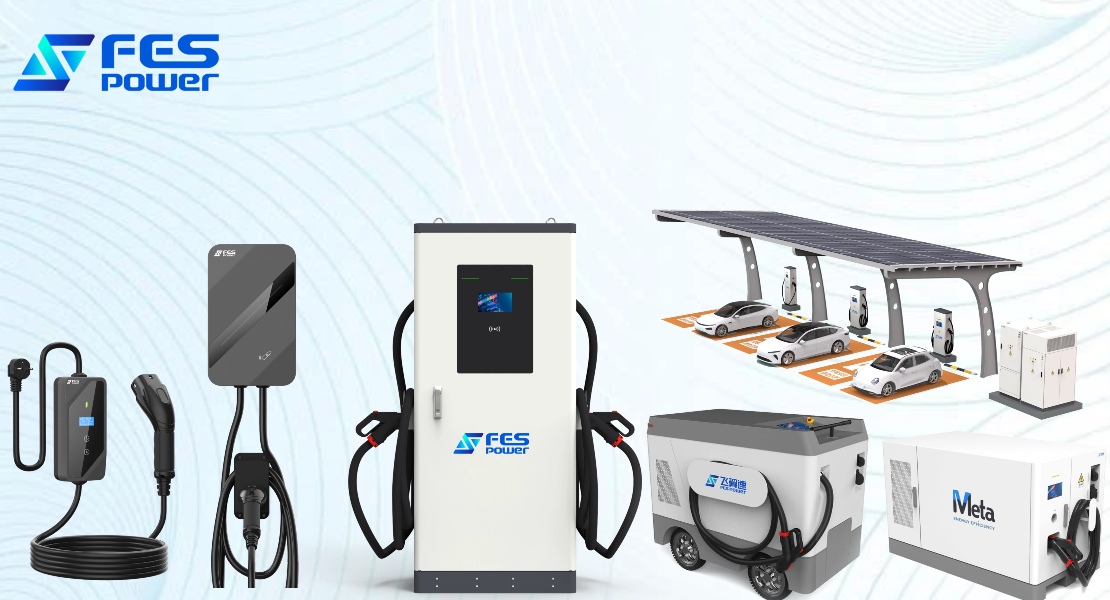
🚀Apakah Bisnis Pengisian Daya Kendaraan Listrik Masih Layak Diinvestasikan?
Industri pengisian daya kendaraan listrik (EV) terus berkembang seiring dengan percepatan adopsi EV global. Dengan model bisnis yang tepat, pemilihan lokasi yang cerdas, dan perangkat keras pengisian daya yang andal, operator dapat membangun jaringan pengisian daya yang berkelanjutan dan menguntungkan.
💡 Baik Anda meluncurkan stasiun pengisian daya publik, membangun depot pengisian daya armada, atau menjajaki pengisian daya EV seluler, memilih mitra teknologi yang tepat sangat penting.
🔌 FES Power berkomitmen untuk menghadirkan solusi pengisian daya kendaraan listrik (EV) yang efisien, andal, dan bersertifikasi global—memberdayakan bisnis untuk berkembang lebih cerdas dan mengisi daya lebih cepat di seluruh dunia.



 Jaringan IPv6 didukung