
- Hubungi Kami : +86-15060765919
- Kirimkan Email ke Kami : bella@fespower.cn
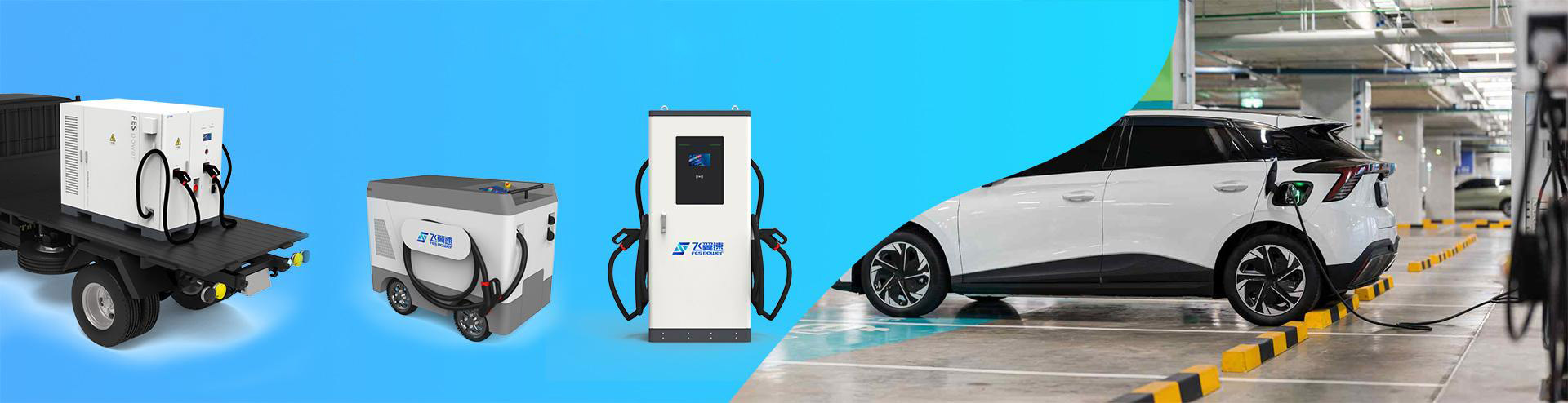
Seiring dengan meningkatnya adopsi kendaraan listrik, para pengemudi mulai memperhatikan sesuatu yang tak terduga:
👉 Tidak semua pengalaman pengisian daya terasa sama — bahkan ketika peringkat pengisi daya terlihat identik.
Jadi, apa sebenarnya yang ada di balik perbedaan ini?
Jawabannya seringkali terletak di luar pengisi daya itu sendiri. Ini tentang bagaimana energi dikelola.
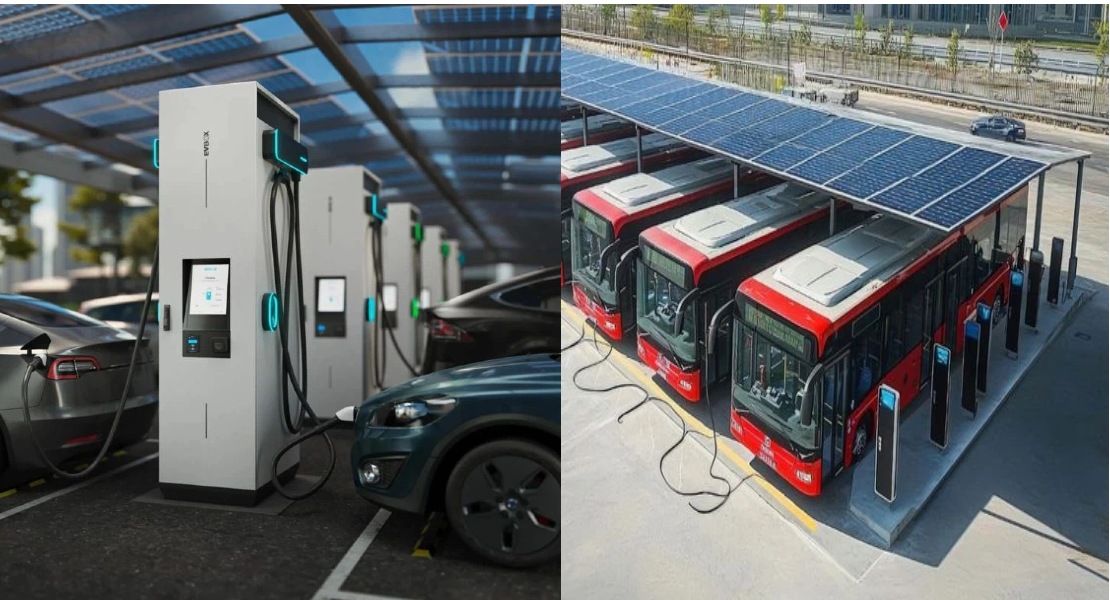
Mengapa Beberapa Stasiun Pengisian Daya Terasa Halus, Sementara yang Lain Tidak?
Anda mungkin pernah mengalami hal ini:
⚡ Pengisi daya mulai mengisi daya dengan cepat… lalu tiba-tiba melambat
📉 Kecepatan pengisian daya berfluktuasi secara tidak terduga
⏳ Jam sibuk berarti waktu tunggu yang lama atau ketersediaan yang terbatas
Di atas kertas, stasiun-stasiun ini mungkin menawarkan peringkat daya yang serupa — 120kW, 250kW, atau bahkan lebih tinggi.
Namun pada kenyataannya, pengalaman yang dirasakan sangat berbeda.
👉 Alasannya sederhana:
Stasiun pengisian daya tradisional sepenuhnya bergantung pada jaringan listrik.
Dan jaringan tersebut memiliki batasan.
Apa yang Berubah dengan Integrasi Energi Surya + Penyimpanan Energi?
Sekarang bayangkan skenario yang berbeda.
Anda tiba di stasiun pengisian daya, mencolokkan kabel, dan:
⚡ Kecepatan pengisian daya tetap stabil dari awal hingga akhir
🔄 Tidak ada penurunan daya secara tiba-tiba
🕒 Bahkan pada jam sibuk, performa tetap konsisten
Inilah yang dimaksud dengan sistem terintegrasi tenaga surya + penyimpanan energi + pengisian daya mengantarkan.
Alih-alih bergantung sepenuhnya pada pasokan jaringan listrik, sistem ini secara cerdas mengkoordinasikan:
☀️ Pembangkit energi surya
🔋 Penyimpanan energi baterai
⚡ Output pengisian daya tinggi
👉 Hasilnya bukan hanya “pengisian daya cepat” — tetapi pengisian daya yang dapat diprediksi dan konsisten.
Pengalaman Pengisian Daya: Perbedaan yang Sesungguhnya
Mari kita uraikan dari perspektif pengguna:
1. Stabilitas di Atas Daya Puncak
Pembangkit listrik tradisional mungkin mengiklankan daya puncak yang tinggi, tetapi seringkali tidak mampu mempertahankan daya tersebut.
Sistem terintegrasi menyangga energi melalui penyimpanan, sehingga memastikan:
🔋 Output tinggi berkelanjutan
📊 Fluktuasi minimal
👉 Pengisian daya terasa lebih cepat karena kecepatannya tetap terjaga.
2. Tidak Ada Lagi “Kecemasan Akibat Perlambatan”
Salah satu hal yang paling membuat frustrasi adalah penurunan kecepatan yang tidak terduga.
Dengan penyimpanan energi yang bertindak sebagai penyangga:
⚖️ Permintaan puncak telah terserap
🔌 Batasan jaringan dilewati
👉 Pengalaman menjadi lancar dan dapat diandalkan.
3. Ketersediaan Lebih Baik, Waktu Tunggu Lebih Singkat
Dalam lingkungan dengan keterbatasan jaringan listrik, stasiun seringkali membatasi output atau koneksi.
Namun sistem terintegrasi dapat:
🔄 Distribusikan daya secara dinamis
🚗 Mendukung lebih banyak sesi pengisian daya secara bersamaan
👉 Hal ini mengarah pada throughput lebih tinggi dan antrian lebih pendek.
4. Konsistensi Sepanjang Waktu
Pagi, siang, atau malam — stasiun tradisional berperilaku berbeda tergantung pada beban jaringan listrik.
Dengan tenaga surya + penyimpanan:
🌞 Siang hari: tenaga surya mendukung pengisian daya
⚡ Jam sibuk: penyimpanan menstabilkan output
🌙 Malam: energi yang tersimpan memastikan keberlanjutan
👉 Pengalaman menjadi tidak bergantung pada waktu.
Di Balik Pengalaman: Manajemen Energi Cerdas
Pergeseran sesungguhnya bukanlah pada perangkat keras — melainkan pada... orkestrasi energi.
Sistem terintegrasi modern menggunakan EMS (Sistem Manajemen Energi) cerdas untuk:
🧠 Menyeimbangkan penggunaan jaringan listrik dan baterai
📉 Lakukan pemangkasan puncak
⚡ Optimalkan output pengisian daya secara dinamis
Inilah alasannya:
👉 Kecepatan pengisian daya tidak ditentukan oleh daya puncak, tetapi oleh daya berkelanjutan.
Memperkenalkan C300: Standar Baru untuk Pengalaman Pengisian Daya Terintegrasi
Untuk menghadirkan pengalaman tingkat selanjutnya ini, solusi seperti Pengisi Daya EV Terintegrasi C300 Tenaga Surya + Penyimpanan sedang mendefinisikan ulang cara infrastruktur pengisian daya dibangun.
Berdasarkan spesifikasi yang Anda berikan, berikut adalah hal-hal yang membuatnya menonjol:
⚡ Daya Tinggi, Namun Output Stabil
⚡ Hingga Output sistem 480kW
❄️ Mendukung Pengisian daya ultra cepat berpendingin cairan 600A
👉 Tidak hanya bertenaga — tetapi dirancang untuk mempertahankan output dalam kondisi dunia nyata
🔋 Penyangga Penyimpanan Energi Terintegrasi
🔋 Terintegrasi Sistem baterai LiFePO4 261,25 kWh
🔄 Siklus hidup panjang: 6000+ siklus
👉 Menjamin:
⚡ Performa pengisian daya yang stabil
🔌 Mengurangi ketergantungan pada fluktuasi jaringan listrik
⚙️ Pembagian Kekuasaan Dinamis
🔄 Cerdas distribusi daya dinamis di seluruh output pengisian daya
👉 Artinya:
🚗 Beberapa kendaraan dapat mengisi daya secara efisien
📈 Tidak ada kapasitas yang terbuang
⚡ Statistik lebih tinggi🔌 Mendukung pengoperasian terhubung ke jaringan listrik dan di luar jaringan listrik
🏗️ Tidak perlu peningkatan jaringan listrik yang mahal
👉 Keunggulan utama:
📍 Sebarkan di daerah yang dibatasi oleh jaringan
⏱️ Hindari penundaan infrastruktur selama bertahun-tahun
☀️ Siap untuk Integrasi Tenaga Surya
☀️ Input fotovoltaik yang mendukung MPPT
👉 Mengaktifkan:
💰 Pemanfaatan energi terbarukan
📉 Biaya operasional lebih rendah (hingga 30–50%)
🚀 Dirancang untuk Skalabilitas di Dunia Nyata
🧩 Ekspansi modular untuk daya dan penyimpanan
👉 Desain yang tahan lama:
📈 Berkembang sesuai permintaan
🔧 Tidak perlu perancangan ulang besar-besaran
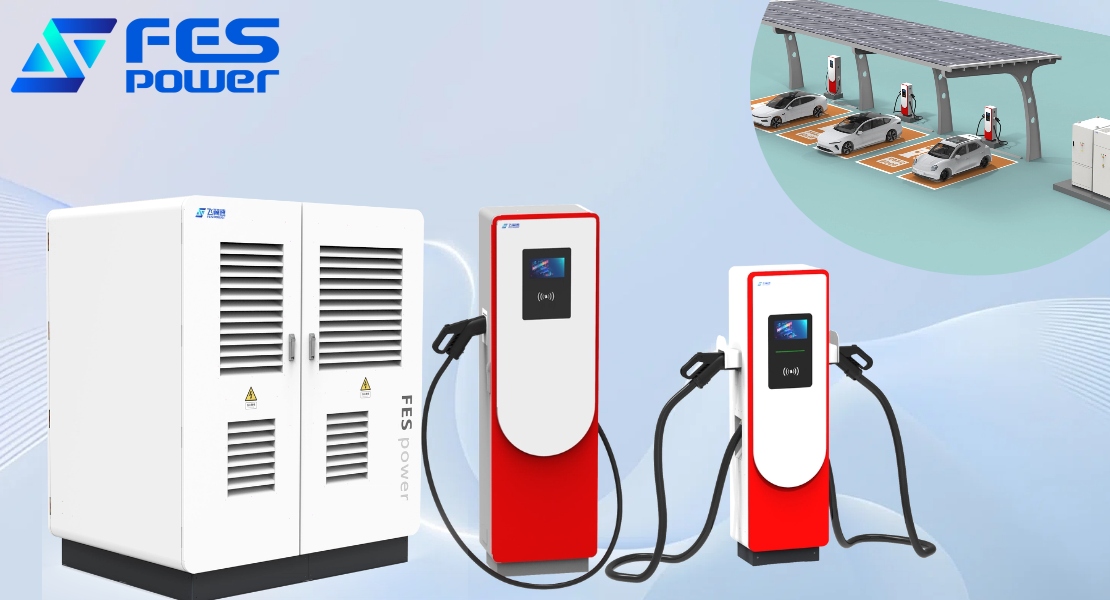
Dari Peralatan hingga Pengalaman
Evolusi pengisian daya kendaraan listrik bukan lagi hanya tentang angka kW yang lebih tinggi.
Ini tentang:
⚡Stabilitas
📊 Konsistensi
🚗 Ketersediaan
🌱 Kemandirian energi
👉 Singkatnya: pengalaman pengguna yang lebih baik
Kesimpulan Akhir
Seiring dengan terus berkembangnya infrastruktur kendaraan listrik, kesenjangan antara pengisian daya tradisional dan sistem terintegrasi akan semakin melebar.
Karena pada akhirnya:
👉 Pengguna tidak ingat peringkat daya
👉 Mereka ingat bagaimana rasanya saat pengisian daya
Dan di situlah sistem terintegrasi tenaga surya + penyimpanan energi membuat perbedaan.



 Jaringan IPv6 didukung